
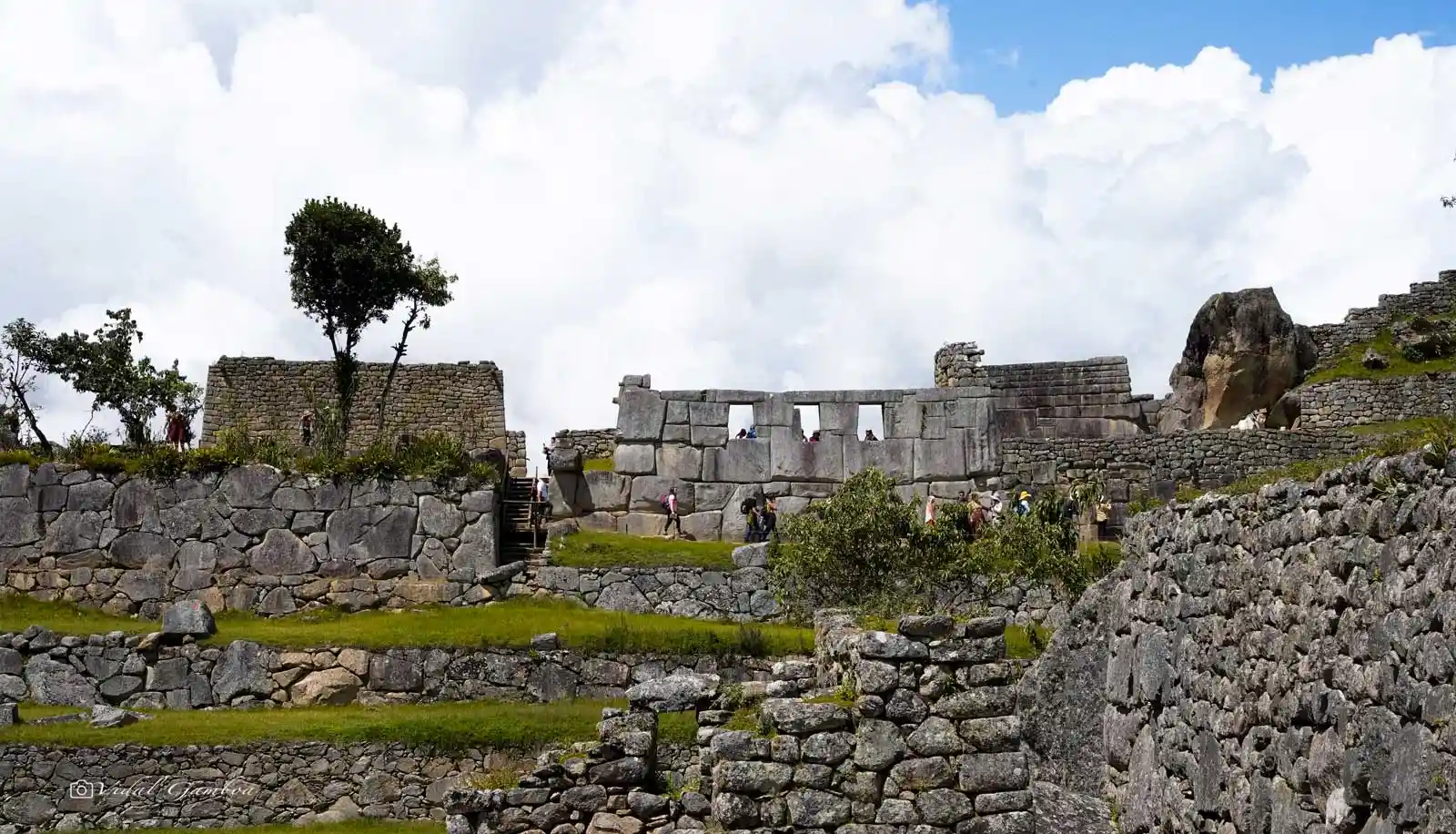
Discover Machu Picchu with our best travel guide and get ready for an unforgettable, authentic adventure in Peru.
Machu Picchu is more than a tourist destination; it’s a bucket-list pilgrimage. However, with new regulations, updated circuits, and strict entry windows, planning your visit requires more than just a plane ticket. Whether you're a trekker or a luxury traveler, this guide covers every essential details to ensure your journey to the Inca Citadel is seamless.
Hidden high in the Peruvian Andes and surrounded by dramatic mountain scenery, this ancient Inca citadel attracts travelers from every corner of the globe. In this definitive guide, we break down every single detail you need to plan the perfect trip from the best time to visit and ticket secrets to the exact gear you should pack.
Understanding the New Entry Regulations & Circuits
The biggest change in recent years is how you actually move through the citadel. To preserve the site, the Peruvian Ministry of Culture has implemented a strict "Circuit" system. You cannot roam freely; you must choose a specific path when you buy your ticket.
The New Circuit System Breakdown
There are three well marked circuit to visit Machu Picchu: Circuit 1, Circuit 2, Circuit 3, and each circuit had some sub circuits which depending of the season can be able to book.
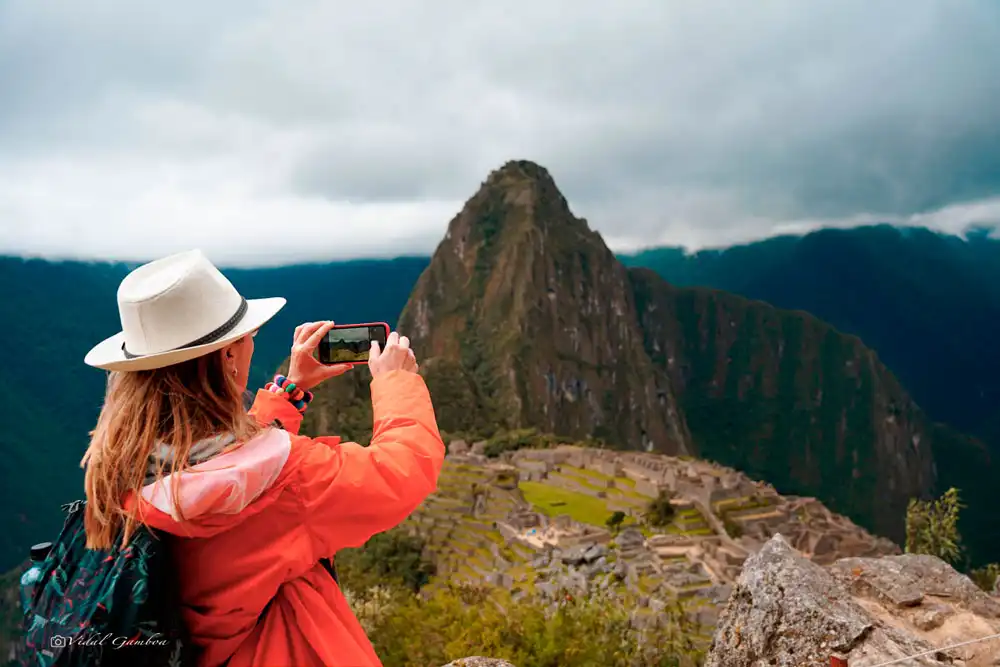
- Circuit 1 (Panoramic): This is for the "social media" shot. It takes you to the upper terraces for the classic view. It is less physically demanding but doesn't go deep into the urban area. It offers panoramic views, but in the rainy season fog and clouds may obscure them until conditions improve.
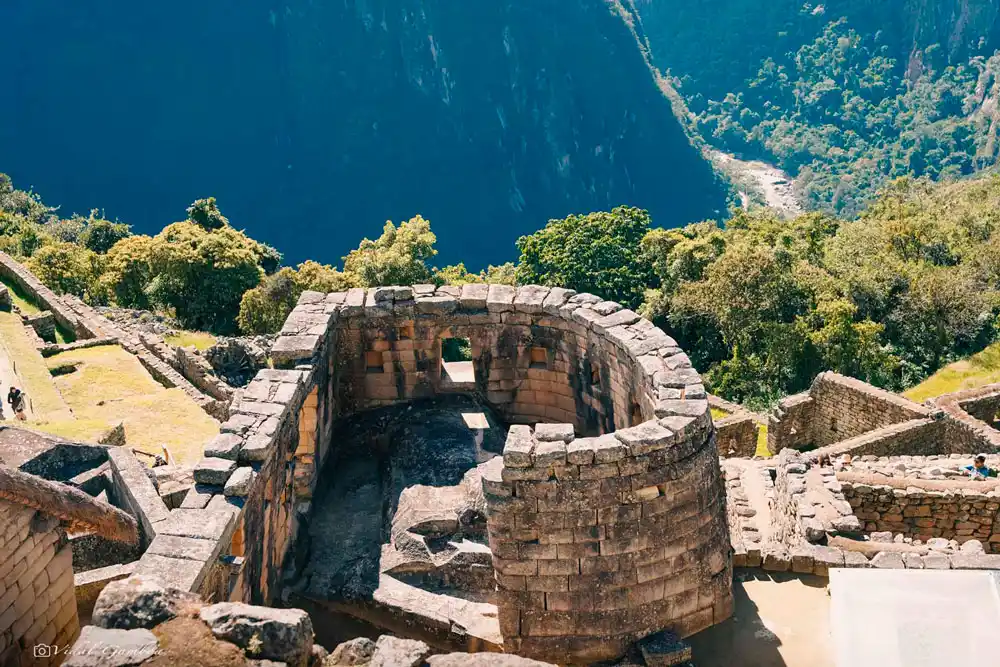
- Circuit 2 (The Classic Route): This is the one most travelers want. It offers the classic view plus a deep dive into the Sun Temple, the Main Square, and the Intiwatana. It takes about 2.5 to 3 hours.
- Circuit 3 (Royalty/Lower):This route stays in the lower part of the citadel. It is ideal for those with mobility issues or those who have booked a hike to Huayna Picchu.
Note, if you are planing a trip to Machu Picchu during the peak season (May to August) is well recommended booking your tickets in advance due the limited spot availability.
Ticket Types and Booking
Tickets are not sold at the gate. You must book them months in advance at the official government website or through a licensed agency, this is essential when you start planning you Machu Picchu Tour.
- General Entry: Includes your chosen circuit.
- Combination Tickets: These include entry plus a hike (Huayna Picchu, Machu Picchu Mountain, or Huchuy Picchu). These sell out 4–6 months in advance. You can check or buy your ticket in the following link: Machu Picchu Ticket
Best Time to Visit: Weather vs. Crowds
Machu Picchu is located in a high-altitude cloud forest. The weather is unpredictable, but generally follows two seasons:
- The Dry Season (May to October) This is peak season. The skies are blue, and the views are crystal clear.
- The Rainy Season (November to April) Expect rain at least once a day, with January and February being the wettest.
The "Sweet Spot": Visit in May or September. You get the tail end of the good weather with slightly smaller crowds.
How to Get to Machu Picchu
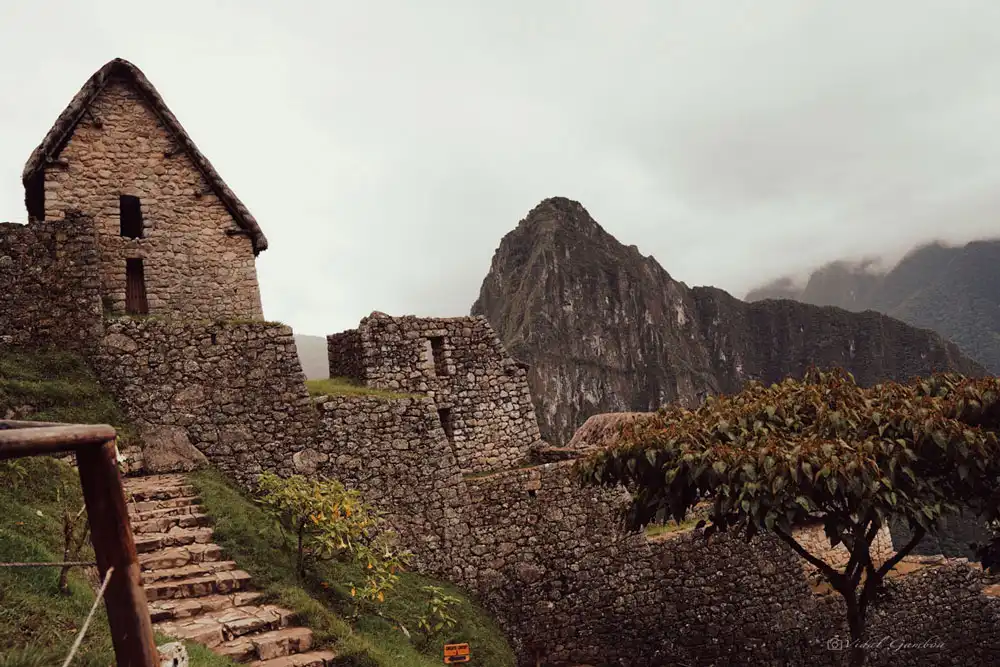
Getting to Machu Picchu, follows this route: Lima - Cusco -Aguas Calientes - Machu Picchu site
- Lima - Cusco: International flights land in Lima. Many travelers take a flight Lima - Cusco, it takes 1,20 hours
- Cusco - Aguas Calientes: Aslo know as Machu Picchu town and it is located at the base of the Inca site. The only way to get there is by train or hiking.
- Aguas Calientes - Machu Picchu citadel You have two option, to hike about 1,20 hours through step trail or taking a bus 25 minutes drive, it depart every 5 minutes.
More Adventurous way to get there
For travelers looking for more adventure, there are several way to get Machu Picchu.
Classic Inca Trail 4 Days
The world’s most famous trek. You walk through the Sun Gate (Inti Punku) at sunrise. Only 500 permits are issued per day (including porters, guides and hikers), so book 6 months out.
Salkantay Trek 5 Days
A rugged, high-altitude alternative that passes by glacial lakes and through coffee plantations. No permits are required, making it a great last-minute option.
Inca Jungle Trail 4 Days
Adventure-packed journey to Machu Picchu featuring downhill mountain biking, river rafting, jungle hiking, and zip-lining through stunning Andean cloud forests.
Battling Altitude Sickness (Soroche)
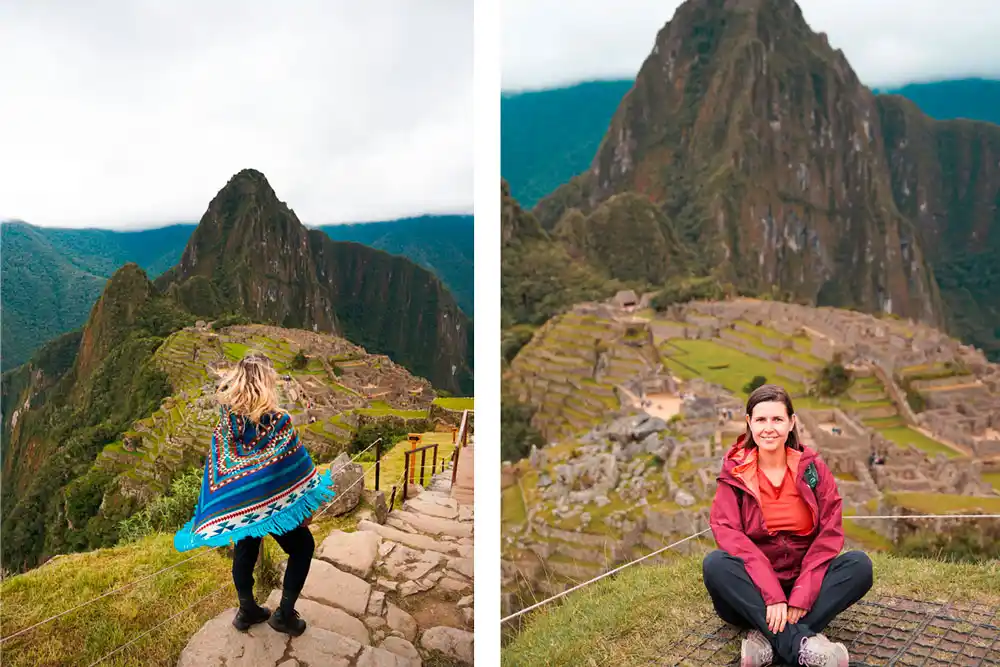
Cusco sits at 3,400m (11,150 ft), which is much higher than Machu Picchu (2,430m). Many people get sick in Cusco before they even reach the ruins. Following the advices below, you will be fine:
- Descend Immediately: Many travelers head straight to the Sacred Valley (Ollantaytambo) which is lower than Cusco, to sleep and acclimatize for 2 days.
- Hydrate: Drink twice as much water as usual.
- Coca Tea: The locals swear by it. It’s a mild stimulant that helps blood oxygenation.
- Medication: Ask your doctor about Acetazolamide (Diamox) before you leave home.
What to bring:
Proper gear is essential due to temperature fluctuations and high-altitude conditions. Recommended items include:
- Original Passport: You cannot enter without it. They will check the name against your ticket.
- Footwear: Broken-in hiking boots or shoes with high-traction soles. The stones are slippery when wet.
- Sun Protection:The UV rays at this altitude are brutal. Bring a hat and high-SPF sunscreen.
- Bug Spray:The "Machu Picchu biting midges" are tiny, invisible, and leave itchy red welts. Wear long sleeves/pants and use DEET.
- Small Backpack:Bags larger than 40cm x 40cm are not allowed inside.
- Water bottle:Exploring Machu Picchu takes about 3 hours and at that altitude, travelers need drink more water
- Snacks:Keep with you some snacks; energy bars, dark chocolate, bananas.
Budgeting for Your Trip
Is Machu Picchu expensive? It can be. Here is a rough estimate per person (USD):
- Train (Round trip): $120–$500
- Entrance Ticket: $45 (Standard)
- Round Trip Bus: $24
- Mandatory Guide: $60–$100 (Group vs Private)
- Hotels in Cusco: $50 (Budget) to $400+ (Luxury)
The budget can vary depending on the services you choose, and travelers can save money by hiking to Machu Picchu with a group tour. Regardless of how you travel, the journey to Machu Picchu is truly a once-in-a-lifetime experience.
What to do in Aguas Calientes
Most people arrive in the town at the base of the mountain and have nothing to do. Give them value here:
- The Hot Springs: Visit the Baños Termales at the end of the main street. It costs about 20 Soles. It’s perfect for soaking your legs after a 4-day trek.
- The Butterfly House (Mariposario): A 15-minute walk from town. It’s a great eco-project where you can see rare Andean butterfly species.
- Passport Stamp:Don't forget to get the special Machu Picchu stamp in your passport! There is a small desk near the exit of the ruins where you can do it for free (or a small tip).
- Local Museum:TEssential museum featuring original Inca artifacts, excavation history, and a botanical garden, providing vital cultural context before exploring the citadel.
Machu Picchu 2026: Frequently Asked Questions
Yes. Tickets must be purchased online months in advance. For peak season (June–August), book 4–5 months ahead to ensure availability.
Official regulations require a guide for the first visit. While enforcement varies, a guide is highly recommended to understand the history and navigation of the circuits.
No. Re-entry is strictly prohibited. Once you exit the gates, your ticket is void. Note that there are no bathrooms inside the ruins.
Circuit 1 (Panoramic) and Circuit 2 (Classic) are the best options for the iconic postcard view of Machu Picchu from the Upper Terrace.
Most tickets allow a stay of up to 4 hours. If you have a permit for Huayna Picchu or Machu Picchu Mountain, your time is extended to 6 hours.
Yes, there is a 30-minute tolerance. If your ticket is for 9:00 AM, you may enter until 9:30 AM. Arriving later may result in denied entry.
Yes. Trains allow only 5 kg (11 lbs) of carry-on. Most travelers leave their main luggage at their hotel in Cusco or Ollantaytambo.
No. Selfie sticks, tripods, and drones are strictly banned. Professional camera equipment requires a special permit that is very expensive.
Machu Picchu is lower than Cusco. However, you should still spend 2 days acclimatizing in the Sacred Valley or Cusco to avoid symptoms.
No. No tickets are sold at the entrance. You must have a printed or digital ticket and your original physical passport to enter.
Final Thoughts: Embracing the Magic of the Incas
Machu Picchu is more than just a collection of ancient stones; it is a testament to human ingenuity and a bridge to a civilization that lived in harmony with the clouds. While the new 2026 regulations and circuit systems might seem complex at first, they are designed to protect this fragile Wonder of the World for future generations.
The key to a successful journey is preparation. By booking your tickets early, choosing the right trek, whether it's the historic Inca Trail, the rugged Salkantay, or the adventurous Inca Jungle Trail and respecting the high-altitude environment, you turn a logistically challenging trip into the adventure of a lifetime.


